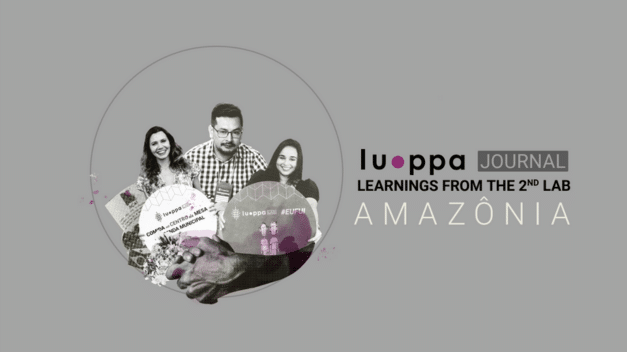
LUPPA Journal – Lessons from the 2nd Lab – Amazonia
29/01/2024
Compartilhe essa notícia

[et_pb_section fb_built=”1″ _builder_version=”4.23.1″ _module_preset=”default” custom_padding=”0px||0px||true|false” da_disable_devices=”off|off|off” global_colors_info=”{}” da_is_popup=”off” da_exit_intent=”off” da_has_close=”on” da_alt_close=”off” da_dark_close=”off” da_not_modal=”on” da_is_singular=”off” da_with_loader=”off” da_has_shadow=”on”][et_pb_row custom_padding_last_edited=”on|phone” _builder_version=”4.23.1″ _module_preset=”default” background_color=”#f8f7ec” width=”100%” max_width=”100%” custom_margin=”0px||||false|false” custom_padding=”2em|12em|2em|12em|true|true” custom_padding_tablet=”|4em||4em|false|true” custom_padding_phone=”|1.5em||1.5em|false|true” global_module=”62″ saved_tabs=”all” global_colors_info=”{}”][et_pb_column type=”4_4″ _builder_version=”4.23.1″ _module_preset=”default” global_colors_info=”{}”][et_pb_text _builder_version=”4.24.0″ _module_preset=”default” text_text_color=”#000000″ link_text_color=”#000000″ custom_margin=”0px||0px||true|false” custom_css_main_element=”width: fit-content;||display: inline-block;” global_colors_info=”{}”]
[/et_pb_text][et_pb_text _builder_version=”4.23.1″ _dynamic_attributes=”content” _module_preset=”default” text_font=”|300|||||||” text_text_color=”#000000″ link_text_color=”#000000″ custom_margin=”0px||0px|0.5em|true|false” custom_margin_tablet=”0px||0px|0em|true|false” custom_margin_phone=”” custom_margin_last_edited=”on|phone” custom_css_main_element=”width: fit-content;||display: inline-block;” global_colors_info=”{}”]@ET-DC@eyJkeW5hbWljIjp0cnVlLCJjb250ZW50IjoicG9zdF90aXRsZSIsInNldHRpbmdzIjp7ImJlZm9yZSI6IiIsImFmdGVyIjoiIn19@[/et_pb_text][/et_pb_column][/et_pb_row][et_pb_row column_structure=”1_2,1_2″ custom_padding_last_edited=”off|desktop” _builder_version=”4.23.4″ _module_preset=”default” background_color=”#f8f7ec” width=”100%” width_tablet=”100%” width_phone=”100%” width_last_edited=”on|tablet” max_width=”1920px” max_width_tablet=”100%” max_width_phone=”100%” max_width_last_edited=”on|desktop” custom_margin=”||||false|false” custom_padding=”2em|11%||11%|false|true” custom_padding_tablet=”||||false|false” custom_padding_phone=”||||false|false” saved_tabs=”all” global_colors_info=”{}”][et_pb_column type=”1_2″ _builder_version=”4.23.1″ _module_preset=”default” global_colors_info=”{}”][et_pb_post_title date=”off” categories=”off” comments=”off” featured_image=”off” _builder_version=”4.23.2″ _module_preset=”default” title_font=”|700|||||||” title_font_size=”27px” title_line_height=”1.2em” meta_font=”|700|||||||” meta_text_color=”#000000″ meta_font_size=”18px” meta_line_height=”1.1em” title_font_size_tablet=”21px” title_font_size_phone=”20px” title_font_size_last_edited=”on|phone” meta_font_size_tablet=”16px” meta_font_size_phone=”14px” meta_font_size_last_edited=”on|phone” global_colors_info=”{}”][/et_pb_post_title][et_pb_code module_class=”botao-biblioteca” _builder_version=”4.24.0″ _module_preset=”default” custom_margin=”||||false|false” link_option_url=”/wp-content/uploads/2024/01/biblioteca-en_item-02_cadernos-luppa-aprendizados-segundo-lab-amazonia.pdf” link_option_url_new_window=”on” hover_enabled=”0″ global_colors_info=”{}” sticky_enabled=”0″]
[/et_pb_text][/et_pb_column][/et_pb_row][/et_pb_section]
visit
[/et_pb_code][et_pb_code _builder_version=”4.24.0″ _module_preset=”default” custom_margin=”|||1em|false|false” hover_enabled=”0″ custom_css_main_element=”display: inline-block;” global_colors_info=”{}” sticky_enabled=”0″][/et_pb_code][/et_pb_column][et_pb_column type=”1_2″ _builder_version=”4.23.1″ _module_preset=”default” global_colors_info=”{}”][et_pb_image src=”@ET-DC@eyJkeW5hbWljIjp0cnVlLCJjb250ZW50IjoicG9zdF9mZWF0dXJlZF9pbWFnZSIsInNldHRpbmdzIjp7fX0=@” _builder_version=”4.23.1″ _dynamic_attributes=”src” _module_preset=”default” global_colors_info=”{}”][/et_pb_image][/et_pb_column][/et_pb_row][et_pb_row custom_padding_last_edited=”off|desktop” _builder_version=”4.23.4″ _module_preset=”default” background_enable_color=”off” width=”78%” width_tablet=”93%” width_phone=”93%” width_last_edited=”on|phone” max_width=”1920px” max_width_tablet=”93%” max_width_phone=”93%” max_width_last_edited=”on|desktop” custom_margin=”3em||||false|false” custom_padding=”0px||0px||true|false” custom_padding_tablet=”||||false|false” custom_padding_phone=”||||false|false” saved_tabs=”all” global_colors_info=”{}”][et_pb_column type=”4_4″ _builder_version=”4.23.1″ _module_preset=”default” global_colors_info=”{}”][et_pb_text _builder_version=”4.24.0″ _module_preset=”default” text_font=”|300|||||||” text_font_size=”16px” text_line_height=”1.6em” link_font=”|700|||||||” link_text_color=”gcid-1bebbbe0-e931-4eb1-9680-42a41a3a33c7″ header_2_text_color=”#000000″ custom_padding=”0px|||||” global_colors_info=”{%22gcid-1bebbbe0-e931-4eb1-9680-42a41a3a33c7%22:%91%22link_text_color%22%93}”]The Amazon region has intrinsic characteristics that are totally different from the rest of Brazil. This is why the presentation of the Amazon Summary is so significant, as it focuses on specific information on cities in the Legal Amazon.
The specificities of these cities stood out throughout the LAB and show how important it is for food
policies to be developed taking into account the territorial and local aspects of each region.
More details and information on the activities developed during the in-person LAB as well as the Mentoring Sessions e Anchor Projects can be found in the LUPPA Journal – Lessons from the 2nd Lab.


